
I Found This In My Grandmother's Closet
Who has ever opened a dusty box, unfolded a brittle letter, or discovered a mysterious photograph and wondered, "What story is hiding here?" Family heirlooms are more than objects; they're receipts of who we were, how we lived, and the legacies we carry forward. This series will guide followers through the discovery, identification, and preservation of these treasures, turning overwhelming finds into meaningful, organized family history.
Across the first ten topics, we'll explore:
The Thrill of Discovery
Identifying Old Photographs
Dating Items By Era
Recognizing People and Places
Understanding Old Letters and Documents
Family Bibles and Marginalia
Preserving Fragile Items
Digitizing Your Finds
Creating A Family Archive
Sharing Your Family Story
Each installment offers practical techniques, step-by-step guidance, and curated product suggestions, from archival boxes to photo sleeves, to help you protect your history with confidence. Whether you're a casual explorer or the newly appointed family historian, these posts will serve as your go-to reference library.
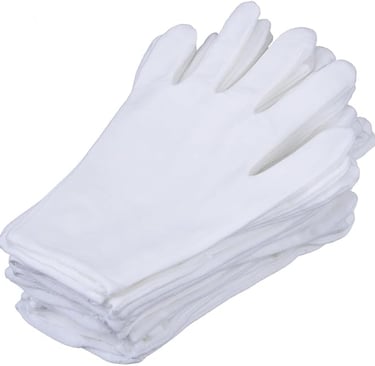
So dust off those boxes, grab your gloves, and get ready. Your family's past is waiting to be rediscovered, preserved, and celebrated, and Hot Mess History is here to guide you through every step of the journey.
If you love drama, receipts, and the kind of history that refuses to behave, make sure you like, follow, and share Hot Mess History. Every tap helps us bring more wild stories, forgotten scandals, and beautifully messy truths to the people who need them most. Spread the word, tag a friend, and pull them into historical chaos.
Hot Mess History, where the past stays petty and preserved.
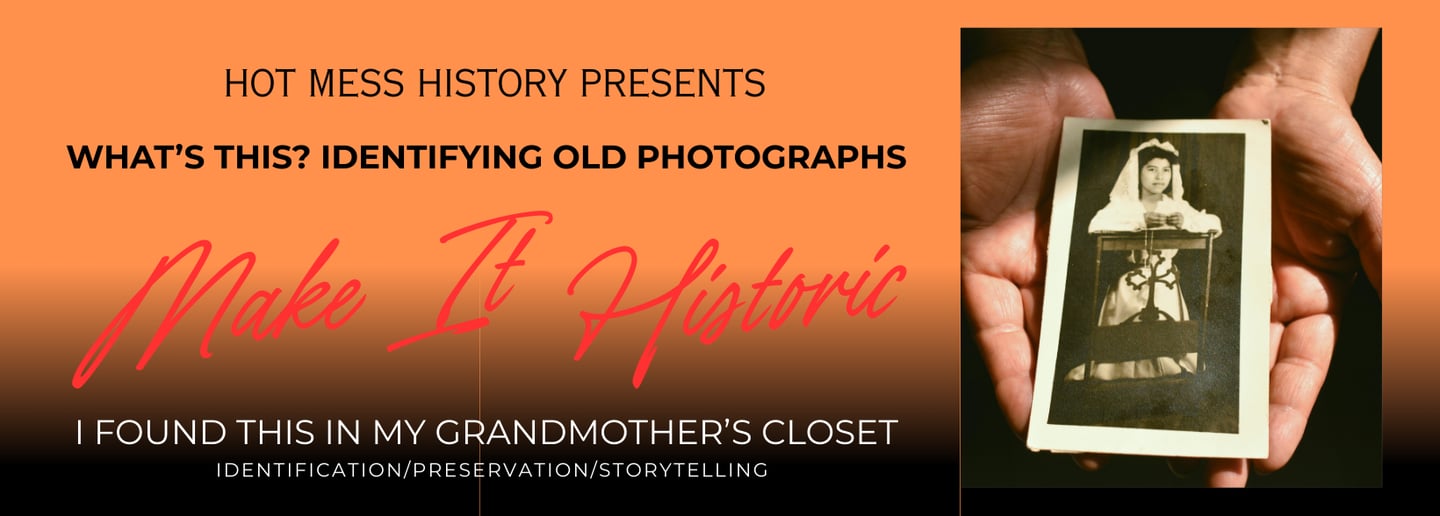
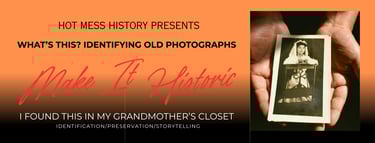
Old photographs are some of the most revealing and confusing treasures you'll find in a family collection. Each format tells a different story about time, technology, and the people captured in the frame. In this guide, we'll break down four common types you're likely to encounter: cabinet cards, tintypes, Polaroids, and studio-stamped prints, and show you how to identify and preserve each one.
Cabinet Cards (1870's - 1920's)
Cabinet cards are stiff, postcard-sized photographs mounted on thick cardstock. They often feature decorative borders, embossed studio names, or ornate typography. These were the Instagram portraits of their day: formal, stylish, and meant for display.
Preservation: Store cabinet cards in
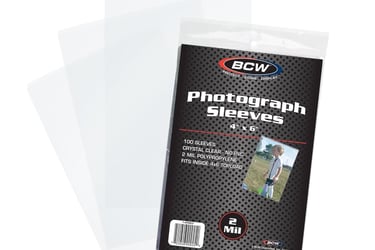
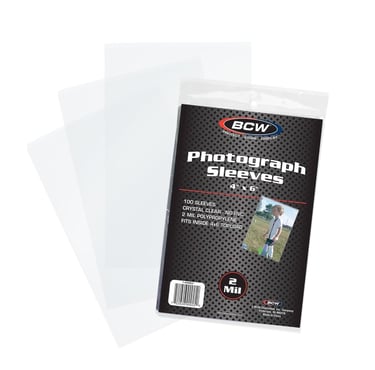
acid-free photo sleeves and keep them
in flat, archival boxes to prevent warping.
Tintypes (1850's - Early 1900's)
Tintypes are thin metal plates coated with a photographic emulsion. They're usually dark, slightly reflective, and sometimes housed in small paper frames. Tintypes were popular for quick, inexpensive portraits, especially at fairs, carnivals, and traveling studios.
Preservation: Keep tintypes in individual padded, polyester sleeves to prevent scratching, and store them upright in a padded archival box.
Polaroids (1950's - 1990's)
Polaroids are instantly recognizable: square or rectangular prints with a thick white border. They were the first "instant photos," capturing everyday life in a way earlier formats couldn't. Over time, Polaroids can fade, crack, or separate from their backing.
Preservation: Store Polaroids in cool, dark environments and avoid bending. Use archival binder photo pages that prevent pressure on the emulsion, specifically sized for instant film.
Studio-stamped Prints (1900's - Present)
Many early-20th-century prints bear a studio stamp on the back or an embossed mark on the front. These marks help identify the photographer, location, and sometimes the era. They're invaluable clues for dating your family photos.
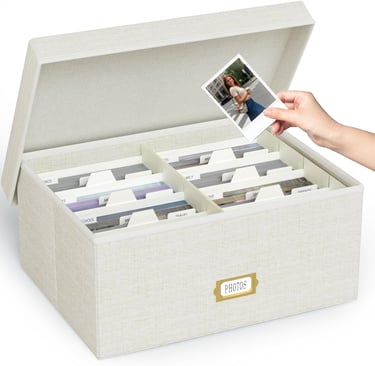
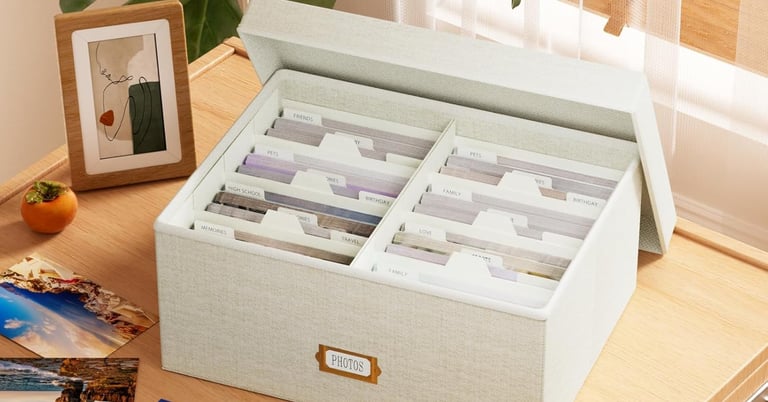
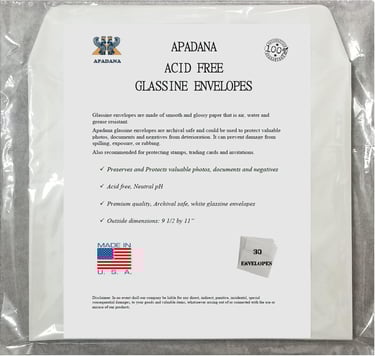
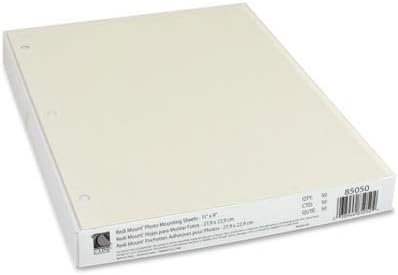
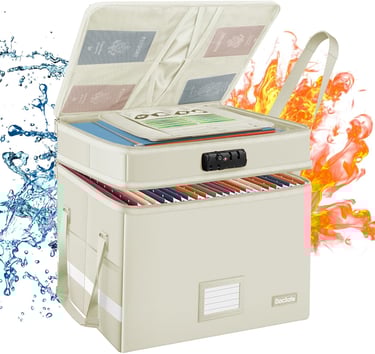
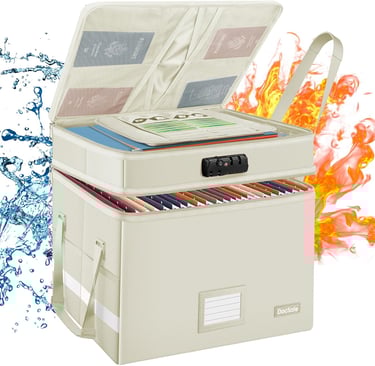
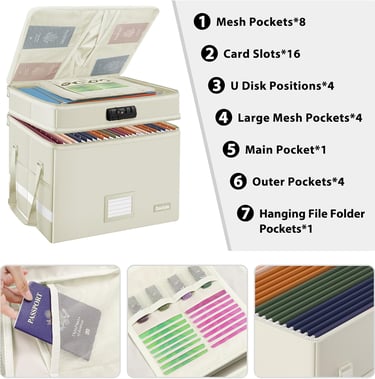
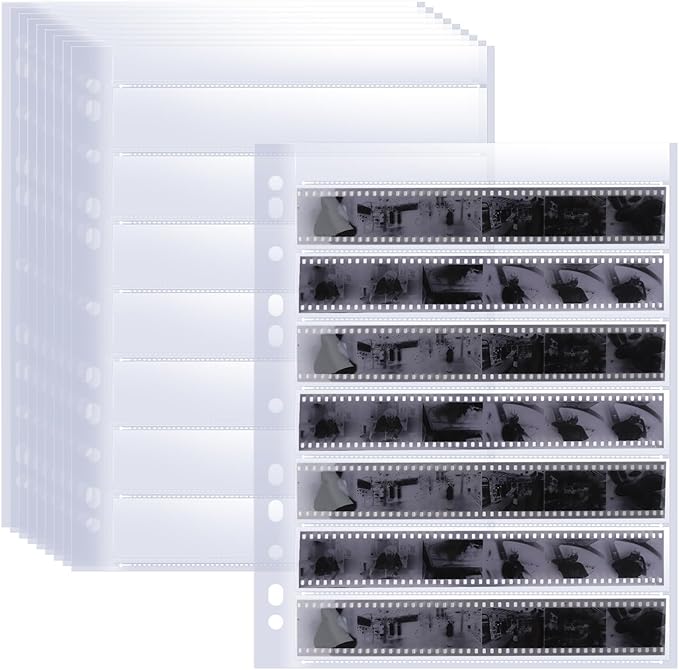
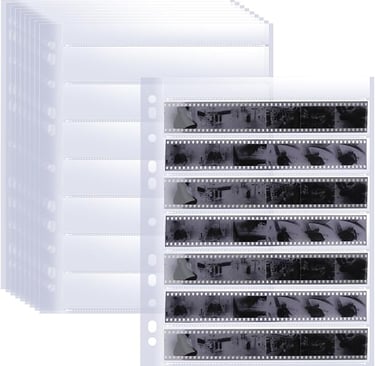
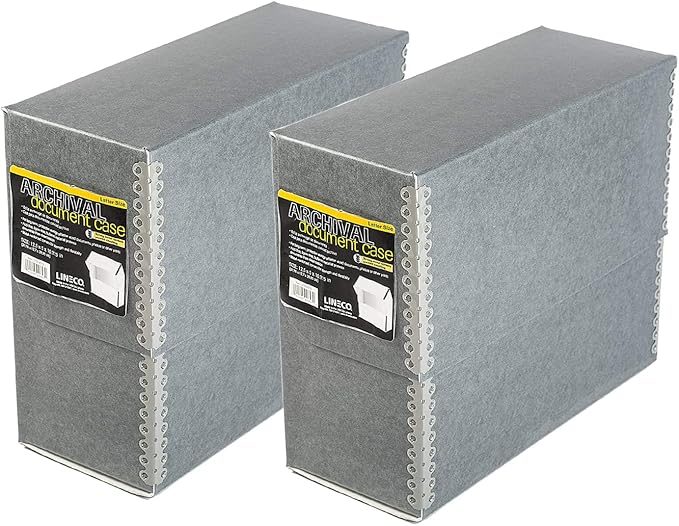
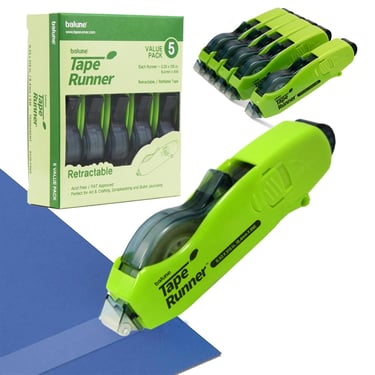
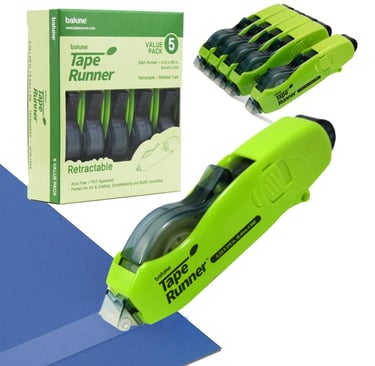
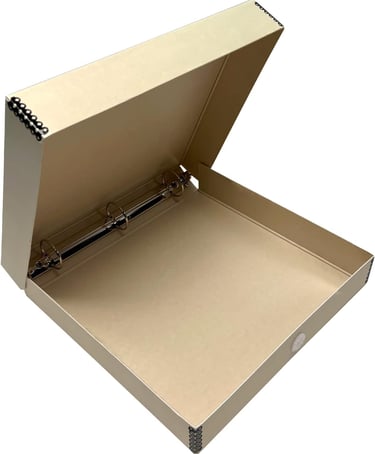
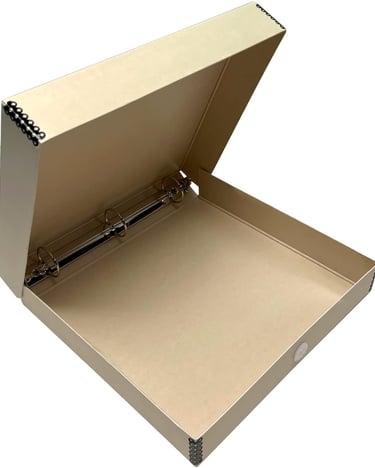
Preservation: Handle with gloves, store in acid-free envelopes, and keep studio stamps visible for reference. Use acid-free paper envelopes or mounting paper and a labeled archival filing system. When mounting photos, always use acid-free adhesives. Ensure that photo negatives are protected in acid-free archival film negative sleeves. Use an archival binder box to store your preserved photos.
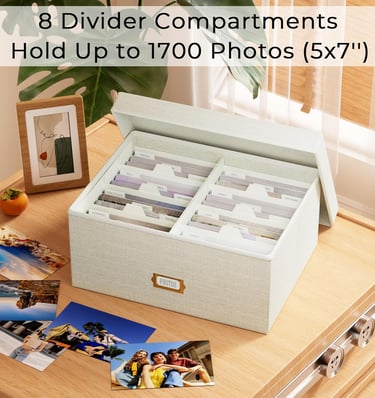
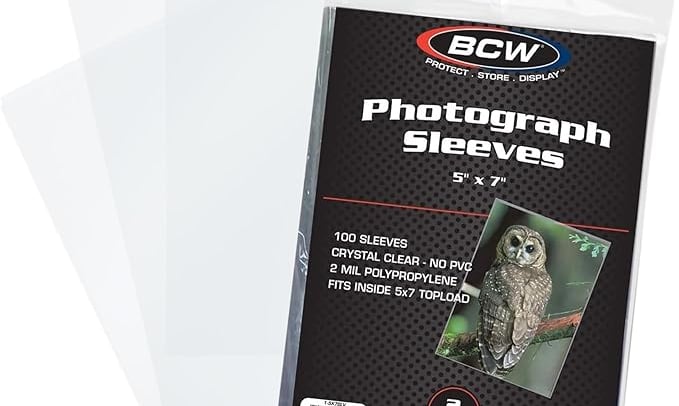
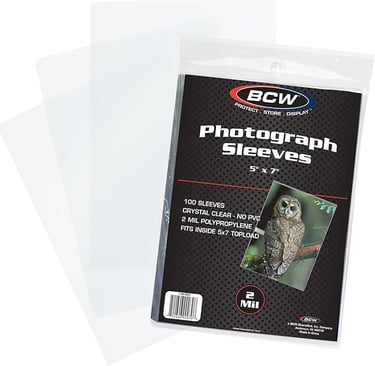
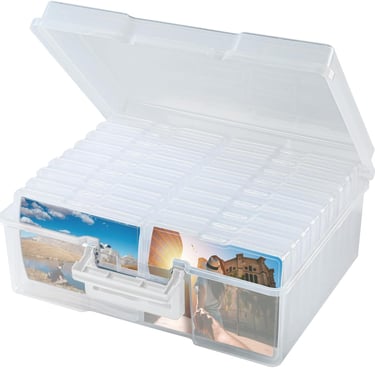
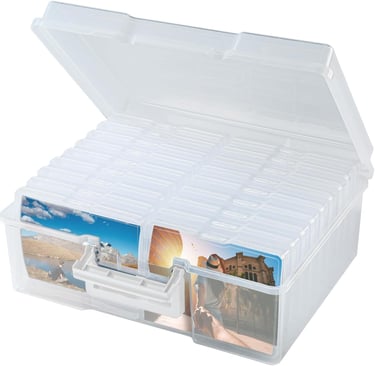
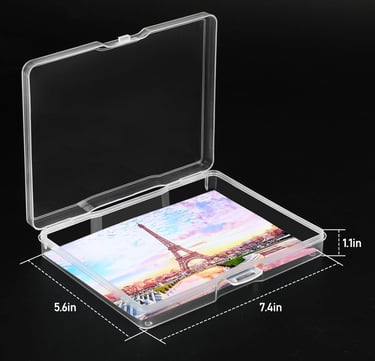
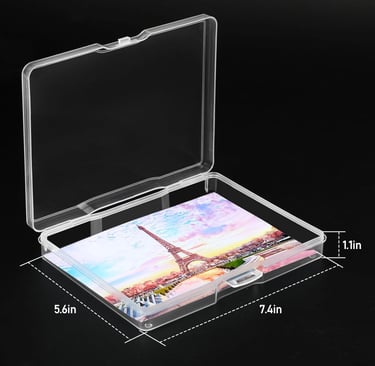
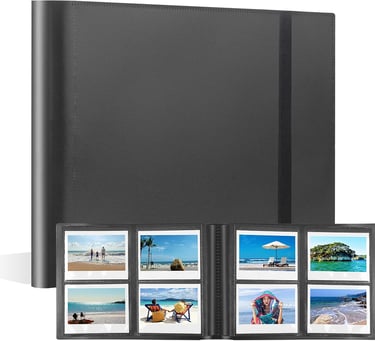
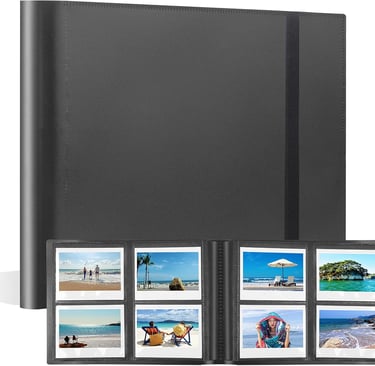
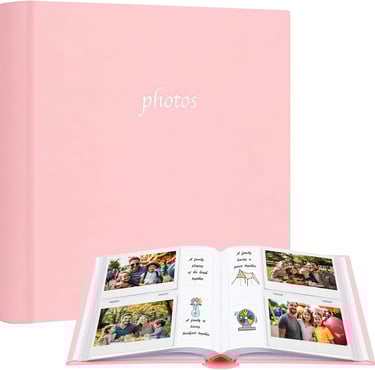
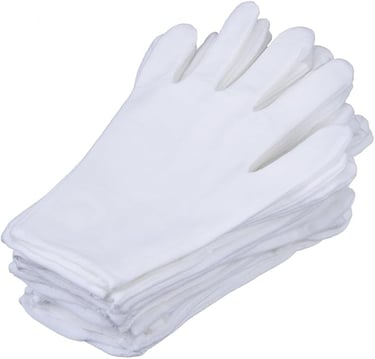
Identifying photo types helps you date your images, understand your family's story, and choose the right preservation method. Each format has unique vulnerabilities, and the right tools can protect them for generations. As you explore your own "What's This?" moments, use this guide and the recommended archival products to preserve your history with confidence. Hot Mess History is here to help you decode the past, one photograph at a time, because the receipts matter, and so do the people in them.