
The Evolution of Photo Memories: From Film to Filters
TRADITIONS & CULTURAL CHAOS
4/7/20265 min read
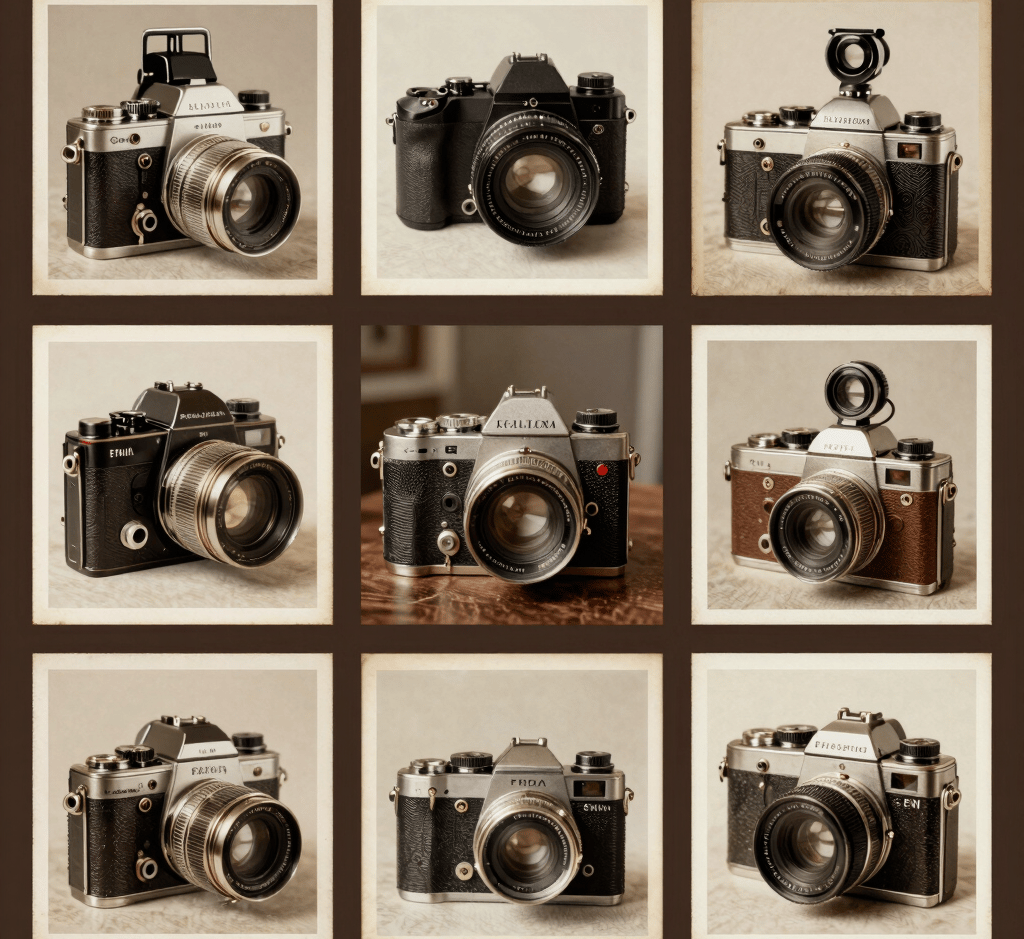
The Captivating World of Film Cameras and Darkrooms
The history of film photography is marked by both artistic expression and scientific innovation. Film cameras, which became widely popular in the late 19th and early 20th centuries, leveraged chemical processes to capture images on light-sensitive film. Unlike digital photography, which relies on electronic sensors, film cameras produce tangible photographs, marking a distinct tactile experience. Each film frame, meticulously composed by the photographer, invites an intimate engagement with the medium that digital formats often lack.
The operation of film cameras is rooted in a captivating interplay of light and chemistry. A photographer loads a roll of film into the camera, which typically contains multiple frames. When a photograph is taken, light passes through the lens and exposes the film at the designated aperture and shutter speed, capturing an array of colors and shades. The development process, conducted in a darkroom, reveals the true artistry involved in film photography. It is a meticulous, multi-step procedure that includes developing the film in a series of chemical baths, resulting in a physical print. This transformative experience fosters a unique bond between the photographer and their work, as each step involves personal choices and attentive craftsmanship.
The darkroom experience is not only technical; it embodies cultural significance that has shaped photographers' identities throughout the decades. The process encourages patience and contemplation, in contrast to the instantaneous nature of digital photography. As photographers immerse themselves in the darkroom, they engage in a tactile ritual, experiencing the smells of chemical solutions and the anticipation of seeing their images materialize. This hands-on engagement fosters creativity, allowing photographers to experiment with techniques such as dodging and burning to enhance their photos in thoughtful, personalized ways.
Particularly in a rapidly digitalizing world, the reverence for film photography remains strong among enthusiasts and professionals alike. The nostalgia and authenticity of physical prints continue to captivate a new generation, reminding us of a time when capturing a moment was a labor of love, bound by the physicality of film and the darkness of the developing room.
The Transition to Digital Photography
The emergence of digital photography marked a significant turning point in the way we capture and preserve memories. The transition from traditional film cameras to digital devices not only revolutionized photography but also transformed the cultural landscape around image-taking. Digital cameras began to gain prominence in the late 1990s, leveraging advancements in sensor technology and image processing to deliver sharper, high-quality images accessible to a wide audience.
One of the most notable advancements was the shift from film rolls to digital storage solutions, such as memory cards and hard drives. This change enabled the instantaneous review of images, freeing photographers from the constraints of film development. With the capacity to store thousands of photographs in compact formats, individuals could experiment with various angles and compositions without the worry of film costs or limited shots. This flexibility encouraged a more creative approach to photography, enabling amateurs and professionals alike to engage in this art form.
The introduction of sophisticated image editing software has further influenced how we engage with photographs. Programs such as Adobe Photoshop and Lightroom empower users to enhance and manipulate images, allowing for creativity that was previously constrained by the physical limitations of film development. The process of editing has become integral to modern photography, facilitating the unique personalization of images that resonate with individual tastes or artistic visions.
Furthermore, the democratization of photography is perhaps the most profound impact of this digital transition. With smartphones equipped with high-resolution cameras, almost everyone can capture high-quality images effortlessly. This accessibility has led to a cultural shift, with photography no longer reserved for professionals or enthusiasts but now an integral part of daily life for countless individuals, fostering a greater appreciation for visual storytelling.
Smartphones: Capturing Memories at Our Fingertips
The advent of smartphones has revolutionized the way we capture and share memories. By integrating high-quality cameras into these devices, manufacturers have transformed photography from a specialized skill into a daily activity accessible to everyone. With the ability to snap photos at any moment, users no longer have to carry around bulky cameras or wait for the right opportunity; the world is at their fingertips, ready to be documented.
Moreover, the proliferation of photography applications and instant filters has further enhanced this experience. These apps empower users to edit images instantly, apply artistic effects, and personalize their photos using a myriad of filters. This not only fosters creativity but also promotes immediate gratification, as individuals can curate their memories in real-time and share them across various social media platforms.
The influence of social media is profound; platforms such as Instagram, Facebook, and Snapchat have become digital galleries where memories are shared instantly. This immediacy has not only changed how we view significant events but also reshaped the very notion of memory-making. Unlike traditional photography, which often required some time for development and reflection, the smartphone experience favors spontaneous sharing, promoting an ongoing dialogue about our lives.
Furthermore, the ability to capture and disseminate memories within moments has altered our relationship with documentation. We are now encouraged to capture even the mundane, creating a comprehensive visual diary that details our lives. As a result, memories are often shared shortly after they occur, leading to what some may call a performance of life, where moments are carefully curated for public consumption. In essence, the smartphone has not only democratized photography but has also redefined how memories are recorded, shared, and cherished in today's digital age.
The Future of Photo Memories and Preservation
As we contemplate the future of photo memories and preservation, it becomes increasingly evident that technology will continue to drive significant advancements in how we capture, store, and experience our photographic histories. One of the most transformative trends emerging in the photography landscape is the integration of artificial intelligence (AI). AI-powered tools are already enhancing image quality, automating editing processes, and even predicting the best moments to capture, suggesting a future in which AI might curate our memories for us.
Moreover, advancements in virtual and augmented reality (VR and AR) are poised to redefine our engagement with photo memories. Imagine donning VR headsets to immerse yourself in a vivid recreation of significant life events, or using AR to superimpose cherished images onto your surroundings, allowing you to relive those moments in real-world contexts. This shift toward immersive experiences in photography will not only enrich our memories but also change how we share and interact with our visual storytelling.
Amidst these advancements, the preservation of digital memories becomes paramount. With the rapid evolution of technology, formats and platforms frequently shift, raising concerns about the longevity of our digital archives. Future generations may find it challenging to access memories stored on outdated software or hardware. Therefore, establishing standards for digital preservation and ensuring the accessibility of files across varying technologies will be critical to securing our photographic legacies.
The implications for future generations are profound; as memories captured in photos evolve from static images to dynamic experiences, storytelling will shift accordingly. The integration of AI, VR, and AR will likely redefine what it means to remember and reflect on the past, transforming photo memories into comprehensive narratives that are both engaging and emotive.