
Exploring Voltaire's Wisdom: The Importance of Inquiry in Modern Learning
ICONIC WOMEN & FORGOTTEN PLAYERS
4/13/20261 min read
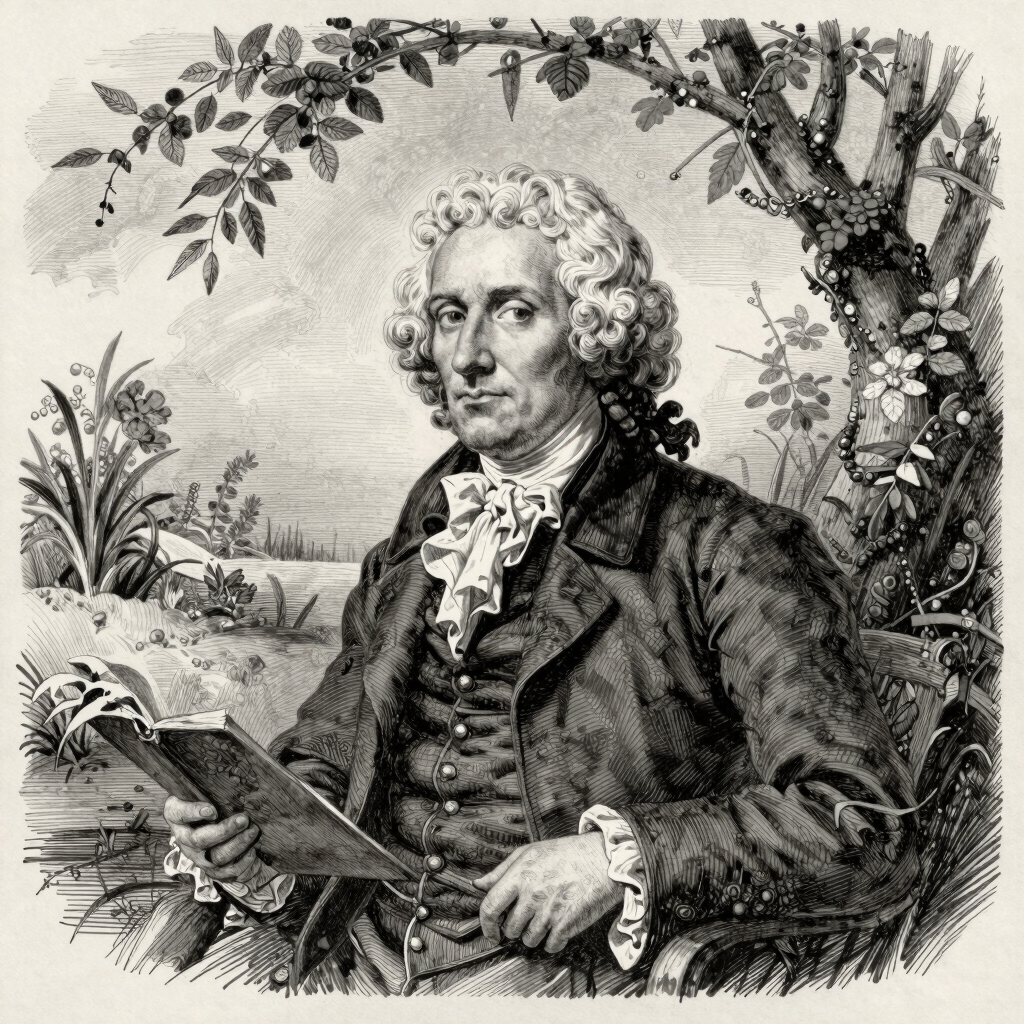
Introduction: The Wisdom of Voltaire
Voltaire, the renowned 18th-century Enlightenment writer, is often quoted for his profound insights on human nature and society. One of his notable sayings is, "Judge a man by his questions rather than his answers." This statement remains incredibly relevant in today's learning culture, where curiosity and critical thinking are highly valued.
The Shift from Rote Learning to Inquiry-Based Education
In the 21st century, the emphasis in education has shifted significantly. Traditional methods focused heavily on rote memorization, in which students were expected to absorb information and regurgitate it on tests. However, modern educators increasingly recognize the importance of inquiry-based learning, where the ability to ask relevant questions is prioritized. This approach fosters a deeper understanding of subjects, allowing students to evaluate information rather than memorize facts.
The Role of Curiosity in Lifelong Learning
Curiosity drives the quest for knowledge and is a key component in fostering a love for learning. Voltaire's assertion indirectly suggests that a curious mind leads to deeper insights. In today's rapidly changing world, the ability to ask questions becomes even more essential. Students and professionals alike must adapt and continually learn; inquiring is an integral part of personal and professional growth.
This emphasis on questioning fosters an environment where learners are not afraid to challenge the status quo. They engage with diverse perspectives and are better equipped to tackle complex problems. In an age of abundant information, the ability to sift through and critically analyze data is paramount. Thus, educating individuals to embrace their curiosity not only benefits them but also cultivates innovation and progress in society.
Conclusion: Embracing Inquiry Culture
Voltaire's perspective reminds us to place value on questions over answers. By encouraging inquiry, we nurture critical thinkers who can navigate the complexities of the modern world. As we continue to evolve in our educational practices, emphasizing curiosity and inquiry will be crucial. In doing so, we align with Voltaire's timeless wisdom, fostering a generation that seeks knowledge through questioning rather than mere memorization.