
The Brutal Rule of Vlad the Impaler: Life and Times, What History Books Won't Tell You
GLOBAL DRAMA & POLITICAL MESSES
3/18/20265 min read
The Early Life of Vlad the Impaler
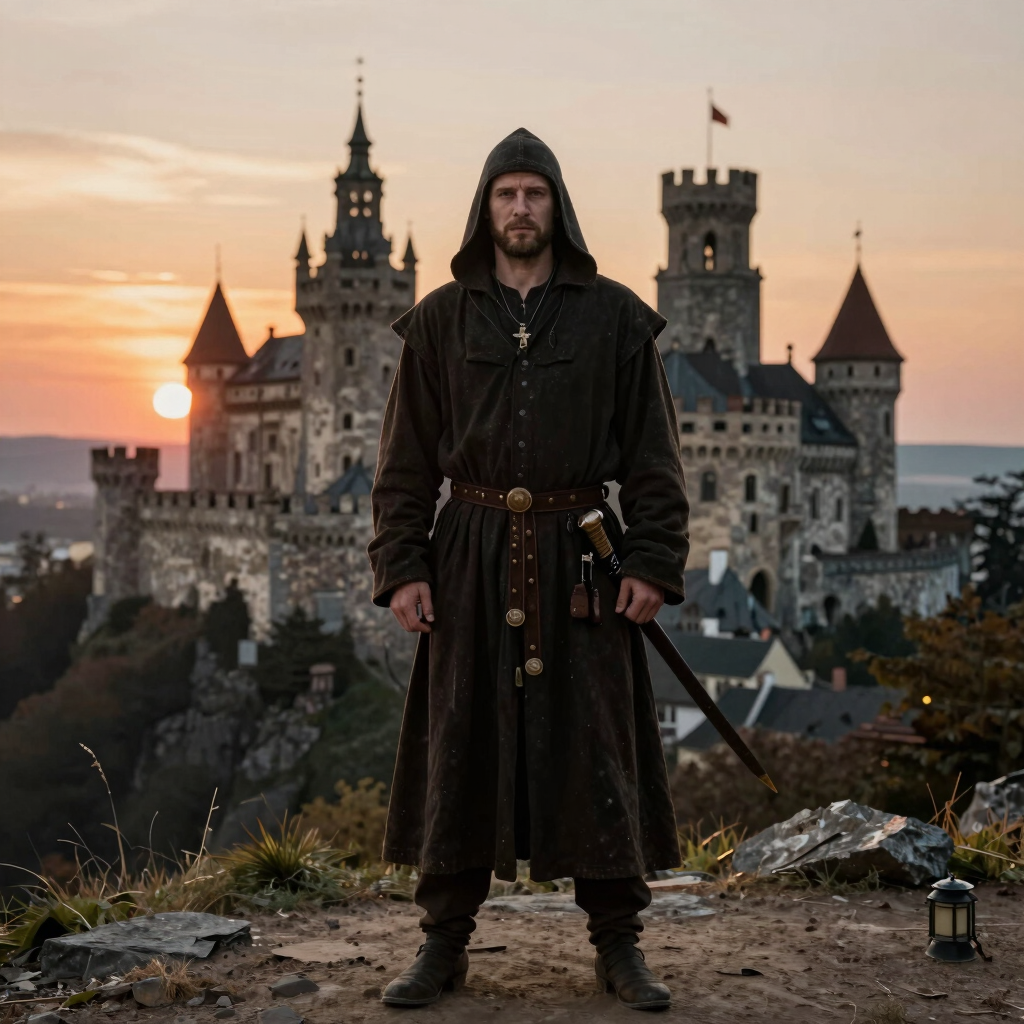
Vlad the Impaler, known for his ruthless rule and historical significance, was born in the year 1431 in the province of Transylvania, which was then part of the Kingdom of Hungary. His birthplace, Sighișoara, was a strategically significant town that reflected the turbulent political landscape of Eastern Europe at the time. Born into the House of Drăculești, a branch of the Basarab dynasty, Vlad was the second son of Vlad II Dracul, who held the title of Voivode (Prince) of Wallachia.
Vlad II, his father, was a member of the illustrious Order of the Dragon, a chivalric order founded to defend Christianity against the Ottoman Empire. This affiliation would significantly influence Vlad the Impaler's early life and his later political decisions. The principles of bravery and loyalty instilled in him by his father, coupled with the expectations of defending his homeland from external threats, shaped the young Vlad into a complex figure. His upbringing was marked not just by privilege but also by a series of political intrigues and conflicts.
During his formative years, Vlad was exposed to the fractious nature of Eastern European politics, characterized by shifting alliances and power struggles between local rulers and the Ottoman Empire. Historical records indicate that when Vlad was around 11 years old, he and his brother, Radu, were taken hostage by the Ottomans to secure the loyalty of Vlad II Dracul. This experience was pivotal in shaping Vlad's worldview and his later brutal tactics against the Ottomans.
Moreover, Vlad's early life was underscored by violence and treachery, common in the courts of the time. The interplay of his familial ties, historical circumstances, and childhood experiences would leave an indelible mark on Vlad, setting the stage for the fearsome ruler he would become. These early years laid the foundation for a lifetime of conflict, shaping both his legacy and the narratives surrounding it.
The Rise to Power and Reign of Terror
Vlad the Impaler, also known as Vlad III or Vlad Tepes, ascended to the throne of Wallachia during a tumultuous period in the 15th century marked by political instability and foreign threats. Hostage situations characterized his early life, as his father was captured by the Ottoman Empire, exposing Vlad to the harsh realities of political manipulation. This upbringing likely influenced his later approach to governance, leading him to adopt ruthless tactics that would instill fear among his enemies and subjects alike.
Vlad first became ruler in 1448 but faced significant challenges to his power. His determination to retain control led to a series of violent campaigns against rivals and the Ottoman influence in the region. Notably, his return to power in 1456 complied with a crackdown on local boyars (nobles), whom he believed were conspiring against him. During a reign of terror, he sought to consolidate his authority and eliminate threats by employing the gruesome method of impalement. This practice would earn him the infamous title 'Impaler.' This method was not merely a punitive measure; it served as a chilling political message designed to deter opposition and assert his dominance.
One significant event during his rule was the campaign against the Ottoman Empire in 1462, during which he employed guerrilla tactics and took advantage of the terrain to inflict damage on enemy forces. During this campaign, he famously impaled thousands of captured soldiers, a brutal act intended to showcase his defiance against Ottoman encroachment. Additionally, his notorious practice of displaying impaled bodies along roadsides created an atmosphere of dread, ensuring that the populace remained submissive.
Vlad's reign significantly shaped Wallachia's historical narrative, leaving a legacy of fear and brutality that resonated long after his departure. His rapid ascent to power, coupled with his fearsome reputation, remains a compelling study of how extreme measures can alter political landscapes and shape rulers' perceptions throughout history.
Wars and Political Intrigue: Vlad's Enemies and Allies
Vlad the Impaler, often remembered for his gruesome methods of instilling fear, was a key figure in the complex political landscape of 15th-century Eastern Europe. His wars and conflicts significantly shaped his legacy, as he navigated a web of enemies and allies, primarily in opposition to the Ottoman Empire's expansionist ambitions. The relentless encroachment of the Ottomans posed a formidable threat, leading Vlad to mount various military campaigns to preserve his principality, Wallachia.
One notable confrontation occurred in 1462, when Vlad launched a daring nighttime attack against the Ottoman forces led by Sultan Mehmed II. This bold move, although it did not achieve a definitive victory, endeared Vlad to many local noble families and bolstered his reputation as a fierce warrior. His ability to rally support against the Ottomans was crucial in solidifying his position. Yet, it also sowed seeds of animosity among those who viewed his methods as excessive or cruel.
The local nobility, who often had conflicting interests, played a crucial role in Vlad's rise and fall. Vlad's attempts to consolidate power led him to align with certain factions, while simultaneously alienating others. His suspicions of betrayal were constant, and he employed fear tactics not only against external foes but also against members of the local aristocracy. This ruthlessness in dealing with adversaries led to shifting alliances, further complicating his position and deepening the instability of Wallachia's political arena.
Ultimately, the dynamics of Vlad's relationships with both Ottoman forces and local nobility encapsulate the broader struggle for power in the era. His infamous legacy as a ruler often overshadows the nuances of his political maneuvers and the desperate circumstances that dictated his choices. By analyzing these wars and political intrigues, one gains a clearer understanding of the turbulent world in which Vlad operated and the lasting impact of his reign on the region.
The Legacy of Vlad the Impaler: Myth vs. Reality
The legacy of Vlad the Impaler, often overshadowed by the myths that surround him, is a complex tapestry woven from both historical facts and elaborate folklore. His reputation as a ruthless ruler, primarily fueled by tales of extreme cruelty, has often eclipsed the more nuanced realities of his reign. The folklore surrounding Vlad, particularly as shaped by works such as Bram Stoker's "Dracula," has contributed significantly to misconceptions about his character and actions. Stoker's fictional portrayal blurred the lines between myth and reality, creating an enduring image of Vlad as a bloodthirsty monster.
Historically, Vlad III governed Wallachia during the 15th century, and while his methods were undeniably harsh, they were not uncommon for a leader facing threats from both internal and external enemies. His infamous policy of impalement, while brutal, was strategically used to instill fear among adversaries, discourage treason, and maintain order during a tumultuous time. In contrast, the legends often describe him as a sadistic figure who took pleasure in inflicting suffering, which diverges significantly from the motives that might have driven his infamous actions.
In contemporary discussions, Vlad's life is frequently interpreted through the lens of modern values, leading to considerable misinterpretations of his intentions and governance. His legacy, influenced heavily by artistic interpretations, has transformed him into a symbol of evil rather than a historical figure embodying the complexities of power dynamics in medieval Europe. This dichotomy between the man and the myth highlights the importance of separating factual history from sensationalized narratives. Such an understanding is crucial for a more accurate portrayal of Vlad the Impaler as both a product of his time and a figure whose legacy continues to spark fascination, analysis, and debate today.