
The Historical Significance of '12 Years a Slave': A Deep Dive into Solomon Northup's Memoir
ICONIC WOMEN & FORGOTTEN PLAYERS
4/18/20264 min read
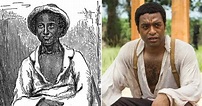
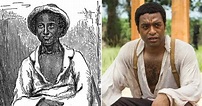
Understanding '12 Years an enslaved person' and Its Origins.
'12 Years an enslaved person' is a profound cinematic adaptation of Solomon Northup's memoir, originally published in 1853. Solomon Northup, an educated and free African American man living in New York, was tragically kidnapped in 1841 and sold into slavery. This account provides a harrowing perspective on the brutal realities of slavery in pre-Civil War America, serving as both a personal narrative and a historical document.
The memoir vividly depicts Northup's experiences as he navigated the complexities and inhumanities of plantation life in Louisiana. Spanning over a decade of his life, his story illustrates the terror and violence faced by enslaved individuals, alongside the profound injustice that defined the era. The author meticulously details the various owners with whom he was forced to live and labor, each embodying the oppressive systems that perpetuated slavery.
In the context of 19th-century America, where slavery was a contentious issue, Northup's narrative stands as a critical primary source document. It sheds light on the everyday atrocities of enslavement, including physical abuse, psychological trauma, and the stripping away of personal identity. Northup's ability to capture these elements not only underscores the institution's inhumanity but also evokes empathy in readers, making his personal narrative resonate far beyond his individual experience.
The historical significance of '12 Years an enslaved person' extends beyond mere recollection; it serves as an essential reminder of the resilience of the human spirit against oppression. Through Northup's eyes, we gain insight into the broader societal implications of slavery, encouraging discussions on race, humanity, and justice that remain relevant today. Ultimately, this memoir compels us to confront the dark chapters of American history while honoring the lives affected by such brutality.
The Authenticity of Depicted Events and Historical Accuracy
Solomon Northup's memoir, "12 Years a Slave", presents a harrowing account of his experiences as a free man abducted into slavery. The authenticity of the events described in both the memoir and its film adaptation has become a focal point for historians and film critics alike. Northup's life, characterized by its struggles and resilience, reflects the broader historical realities of antebellum America, where the institution of slavery was deeply entrenched.
Both the memoir and the film adaptation have been scrutinized for historical accuracy. Northup meticulously detailed his experiences of being kidnapped, his life on plantations, and the systems of brutality and oppression that characterized slavery. His narrative, steeped in meticulous observation, provides valuable insight and context into the lives of enslaved individuals. Scholars posit that the memoir serves not only as a personal account but also as a significant historical document that accurately represents the sociopolitical landscape of the time.
The film adaptation has been praised for its adherence to many of the details in Northup's writing, though it inevitably condenses some events for narrative coherence. Historical experts have noted that while certain cinematic liberties are taken, the film retains the essence of Northup's experiences. Importantly, it challenges viewers to confront the realities of slavery, prompting discussions on historical memory and representation.
Both mediums—memoir and film—underscore the necessity of accuracy when retelling traumatic histories. They invite audiences to engage not only with individual suffering but also with the collective memory of slavery in America. Through detailed documentation and artistic portrayal, the truth of Solomon Northup's story reverberates profoundly, serving as a crucial reminder of the past's impact on contemporary society.
The Impact of '12 Years an enslaved person' on Historical Education
Films like '12 Years an enslaved person' serve as powerful educational tools that illuminate historical events, particularly the brutal realities of slavery in the United States. By translating Solomon Northup's harrowing experiences into a visual medium, the film offers audiences a visceral connection to the past that textbooks alone may not provide. This emotional engagement is crucial in educating viewers about systemic injustices and generating empathy for those who suffered under such regimes.
The power of visual media lies in its ability to make history accessible to a broader audience, including those who might find traditional educational methods disengaging. The storytelling inherent in film can provoke thoughtful discussions about race, humanity, and the lingering effects of injustices that were once commonplace. In this way, '12 Years an enslaved person' meets an educational need by prompting reflection and dialogue about the past, making it resonant in contemporary society.
However, while films can enhance learning, they also entail inherent risks, such as oversimplification or dramatization of complex historical narratives. Audiences must remain critical and aware of the artistic licenses that filmmakers may take to create compelling narratives. Although '12 Years an enslaved person' is acclaimed for its historical accuracy, viewers must supplement their understanding of the events depicted with academic resources and scholarship to obtain a well-rounded perspective.
Ultimately, films like '12 Years an enslaved person' have demonstrated their potential as effective educational mediums by combining historical narrative with emotional depth. They challenge viewers to confront uncomfortable truths and engage with history meaningfully. The impact of such films on historical education cannot be understated, as they contribute to a more informed and empathetic society, aware of the lessons the past has to offer.
Reflections on the Legacy of '12 Years' as an enslaved person
The legacy of Solomon Northup's memoir, '12 Years an enslaved person', extends far beyond the confines of its pages; it serves as a profound commentary on the historical injustices faced by enslaved individuals in America. This narrative has not only sparked critical discussions regarding the realities of slavery but has ultimately reshaped the discourse surrounding race, human rights, and reparative justice in contemporary society. Northup's firsthand account sheds light on the brutal conditions endured by countless individuals, compelling audiences to confront the uncomfortable truths of America's past.
In today's cultural landscape, the story of '12 Years an enslaved person' has laid the foundation for an ongoing dialogue about systemic racism and the legacies of slavery that persist in modern institutions. The memoir has inspired numerous adaptations, including the critically acclaimed 2013 film, which reinvigorated public interest and education regarding slavery. Such representations continue to play a crucial role in informing audiences about the historical context of racial disparities, thereby fostering a greater understanding of the complexities of race relations in the United States.
Furthermore, acknowledging the narratives of individuals like Solomon Northup is essential for social healing. By remembering the past, society can begin dismantling the structural inequalities rooted in historical injustices. The discussions prompted by '12 Years an enslaved person' urge individuals and communities to reflect on the importance of reparative measures and the need for a collective acknowledgment of past atrocities to foster an inclusive future.
Ultimately, the story of '12 Years an enslaved person' emphasizes that understanding history is integral to fostering meaningful change and promoting social justice, helping to ensure that the legacies of slavery and oppression are neither forgotten nor repeated.