
The Tower of Babel: Myth, Chaos, or the First Language Crisis?
TRADITIONS & CULTURAL CHAOS
4/30/20264 min read
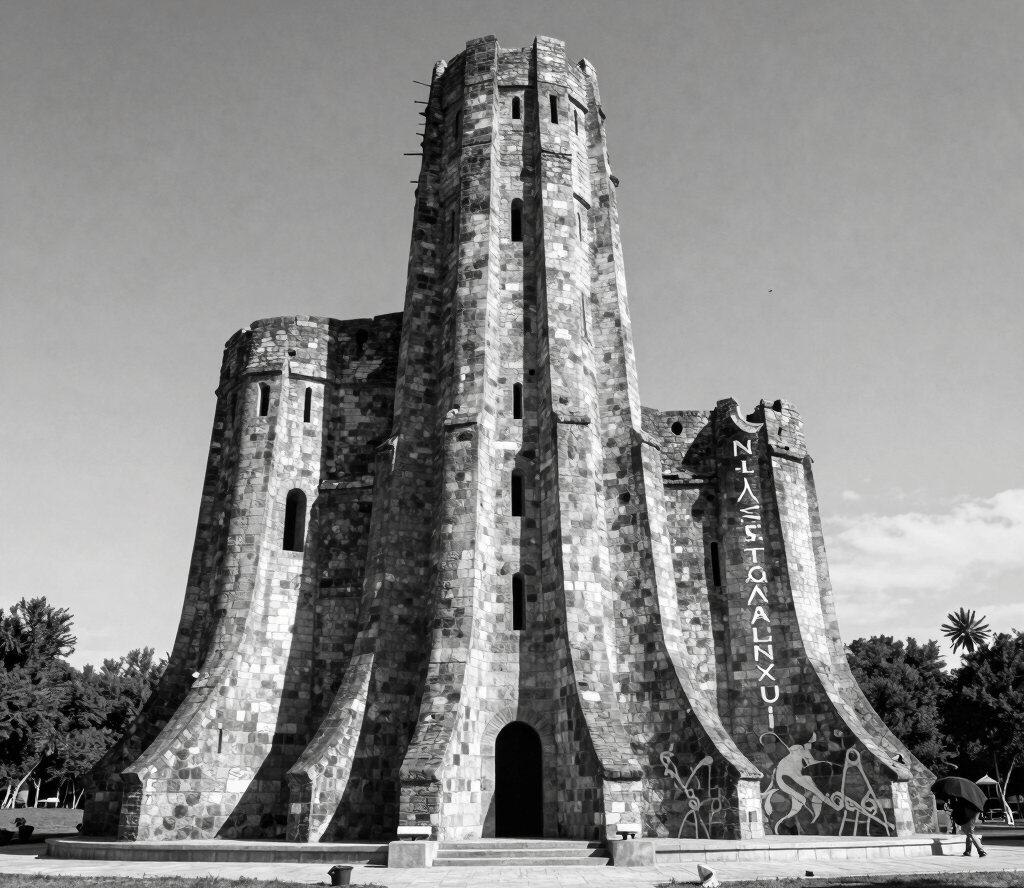

The Biblical Narrative: The Story of the Tower of Babel
The Tower of Babel narrative, as recorded in Genesis 11:1-9, provides crucial insight into the ancient understanding of language and human ambition. The story begins in a unified world where all of humanity speaks a single language, facilitating communication and collaboration. This common linguistic framework fostered a sense of shared identity and purpose, allowing people to work together seamlessly toward a monumental objective.
Motivated by pride and ambition, the people of Babel aspired to construct a tower that would reach the heavens, symbolizing their desire for greatness and self-sufficiency. They declared, "Come, let us build ourselves a city, with a tower that reaches to the heavens, so that we may make a name for ourselves; otherwise, we will be scattered over the face of the whole earth." This statement underscores a fundamental theme of the narrative: the tension between human aspirations and divine intentions. Their desire for recognition and permanence reflects a collective hubris that ultimately leads to their downfall.
In response to their ambitious project, the Lord intervenes. He observes that, as one people speaking the same language, there are no limits to what they can achieve. The divine decision to confuse their language results in humanity being scattered across the globe. This act not only halts the construction of the tower but also explains the origin of diverse languages, showcasing how God's intervention altered the course of human history. The repercussions are profound, as the once-unified community fragments, symbolizing the limitations of human ambition in the face of divine authority.
Interpretations and Theological Insights
The Tower of Babel narrative, found in the Book of Genesis, has elicited diverse interpretations throughout history, reflecting the complexity of its themes of communication, unity, and the divine-human relationship. Traditional theological perspectives often emphasize the story as a cautionary tale about human pride and ambition. According to this interpretation, the builders' desire to reach the heavens epitomizes humanity's hubris, leading to divine intervention that fragments language and culture. This view underscores the challenges posed by human endeavor when it attempts to rival the divine order.
Conversely, literary analyses highlight the rich symbolism present within the narrative. The tower itself can be seen as a metaphor for human aspirations and the collective drive for achievement. This interpretation suggests that the act of building the tower stands as a testament to human creativity and the pursuit of knowledge, albeit coupled with the risk of overstepping moral boundaries. Additionally, scholars often analyze the narrative's structure, noting the juxtaposition of unity in human language with confusion that sets in, thereby framing the broader theme of the fragile harmony that can exist within communities.
In modern contexts, interpretations of the Tower of Babel have taken on new meanings, particularly regarding cultural diversity and communication barriers in a globalized society. Various cultures and religious traditions appreciate the story as an exploration of the complexities of international relations, reflecting the multitude of languages and the inherent challenges of human connection. The narrative poses significant theological implications, inviting contemplation on the nature of God's desire for unity amidst diversity. This complexity raises questions about the essence of communion among humanity and the ongoing struggles to overcome misunderstandings that stem from linguistic and cultural differences.
The Symbolism of Language and Communication Challenges
The narrative of the Tower of Babel, from the Book of Genesis, serves as a profound allegory of the nature of language and its critical role in human communication. Language is portrayed not merely as a tool for expression but also as a powerful instrument for forging connections among individuals within a community. The initial unity of humanity, characterized by a single language, symbolizes a collective identity and communal ambition as they strive to reach the heavens. However, this harmonious state devolves into chaos when God intervenes, introducing linguistic diversity and thereby catalyzing confusion and miscommunication.
This breakdown of a shared linguistic framework implies that language is not merely a means of conveying thoughts; it is intrinsically linked to understanding and mutual respect. In the absence or failure of effective communication, relationships can deteriorate, leading to suspicion and conflict. The Tower of Babel thus serves as a pertinent metaphor for the breakdown in communication that can arise when languages diverge, a phenomenon still evident in our contemporary globalized society.
Today, in an increasingly multicultural world, the challenges stemming from language differences are more relevant than ever. Misinterpretations and misunderstandings can escalate into significant conflicts, as seen in various social and diplomatic interactions where parties fail to grasp the nuances of each other's languages and cultural contexts. As such, the symbolism of the Tower of Babel resonates through time, reminding us of the critical need for effective communication. In efforts to bridge linguistic divides, it becomes imperative to foster environments of understanding and patience, enabling diverse groups to connect meaningfully as they navigate an intricate web of languages and cultural expressions.
Lessons for Humanity: Reflections on Communication Today
The story of the Tower of Babel serves as a poignant reminder of the challenges associated with communication, especially in our modern age. As the narrative illustrates, the dispersal of languages led to confusion and division among people. Today, in our increasingly interconnected world, the importance of effective communication cannot be overstated. Globalization and advances in technology have made it easier than ever to connect with individuals from diverse linguistic and cultural backgrounds. However, this complexity also brings about new challenges in understanding and collaboration.
While technology offers platforms for instant communication, it can sometimes exacerbate misunderstandings. The richness of human expression can be lost in translation, leading to misconceptions when interacting across cultures. The proliferation of language-based technologies, such as translation apps and social media, has transformed how we communicate, but has not entirely resolved the underlying issues symbolized by the Tower of Babel. These tools can facilitate dialogue, but they can also create barriers if users lack cultural literacy.
Moreover, the challenges extend beyond mere language differences; they involve cultural nuances, social norms, and individual perspectives. Bridging these divides requires more than mere words; it demands an open-minded approach to dialogue, empathy for diverse viewpoints, and a commitment to learning from one another. Individuals must reflect on their own communication practices and strive to embrace the diversity present in language and thought.
Ultimately, the lessons from the Tower of Babel resonate significantly today. As we navigate the complexities of a globalized society, fostering effective communication is vital. It encourages collaboration and mutual understanding across linguistic and cultural boundaries. By valuing our differences and working toward clarity in our interactions, we can build a more cohesive and harmonious world, learning from the past to enhance our future interactions.