
The Industrial Revolution: Human Progress or Human Exploration?
TRADITIONS & CULTURAL CHAOS
3/23/20264 min read
Understanding the Industrial Revolution
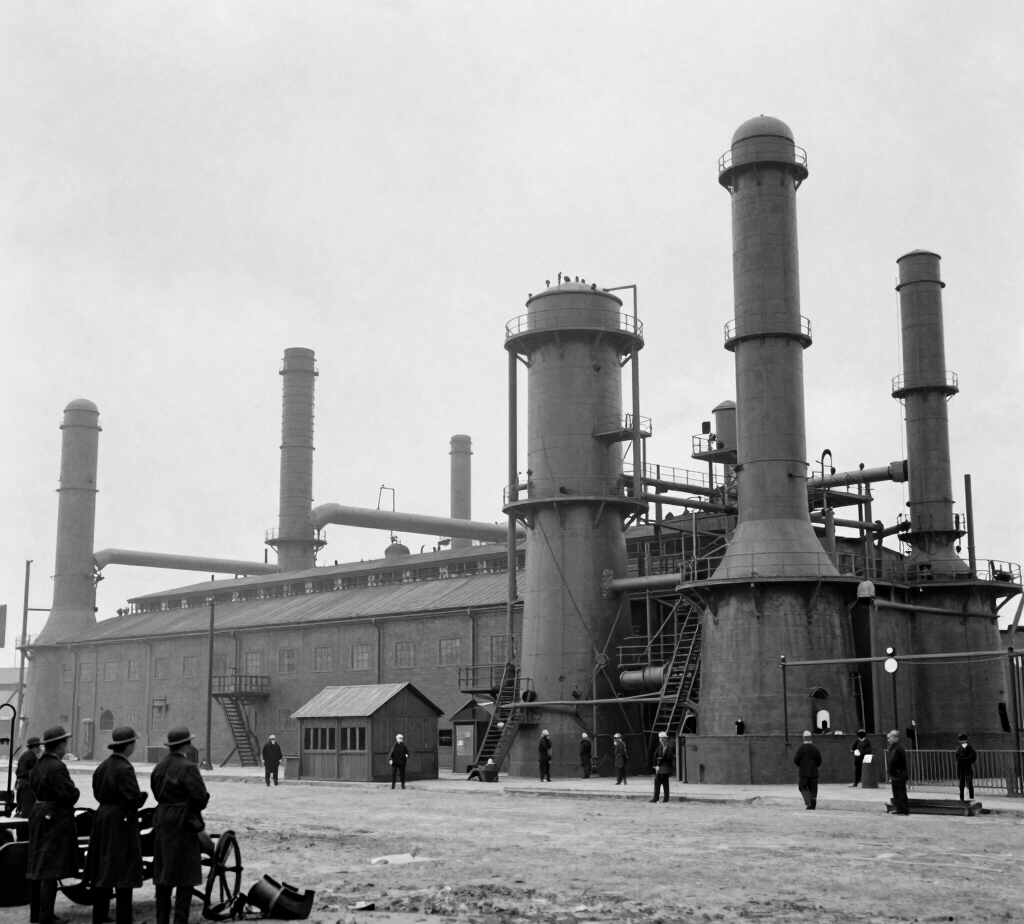
The Industrial Revolution was a transformative period that began in the late 18th century, primarily in Great Britain, and fundamentally altered the socioeconomic and cultural conditions of the time. Spanning approximately from 1760 to the 1840s, this era was characterized by a shift from agrarian societies, which primarily relied on farming and manual labor, to industrial powerhouses fueled by mechanization and innovation.
One of the major advancements of the Industrial Revolution was the introduction of steam power, which facilitated efficient transportation and revolutionized manufacturing processes. The steam engine, perfected by James Watt in the late 18th century, became a cornerstone technology that enabled industries to increase production and reduce labor costs. The rise of the textile industry, driven by inventions such as the spinning jenny and the power loom, exemplified how mechanization transformed production capabilities.
Key figures like Richard Arkwright and Eli Whitney further contributed to the industrial landscape through innovations in textile manufacturing and the cotton gin, respectively. Their work not only boosted productivity but also underscored the broader implications of the Industrial Revolution on labor. The need for factory workers led to significant demographic changes as people migrated from rural areas to urban centers in search of employment.
Furthermore, this era was marked by advancements in transportation, exemplified by the development of railroads and steamships, which facilitated trade and opened new markets. The shift to industrial economies laid the groundwork for capitalist frameworks, altering the landscape of finance and commerce. Indeed, the Industrial Revolution signified a shift in human capabilities and possibilities, ultimately challenging traditional structures and setting the stage for contemporary economic systems.
The Positive Impacts: Engines of Progress
The Industrial Revolution marked a pivotal moment in human history, characterized by profound transformations across sectors. One of the most significant benefits of this revolution was the remarkable increase in production efficiency. Factories, equipped with machinery, enabled mass production, significantly reducing the labor required to manufacture goods. This shift not only lowered costs but also made products more accessible to a larger portion of the population.
Alongside production efficiency, technological innovations during this era played a crucial role in advancing various fields. Notable inventions, such as the steam engine, the mechanized loom, and later, electric power, catalyzed further developments that permeated daily life. These innovations laid the groundwork for modern technology and facilitated the transition from agrarian economies to industrialized societies.
Transportation also experienced remarkable advancements, which were essential to the expansion of trade networks. The introduction of railroads and steamships revolutionized the transportation of goods across land and sea, significantly reducing transit times and increasing trade volumes. Such improvements not only connected distant markets but also enabled the efficient transport of raw materials to factories, contributing to the economic growth of nations.
The overall economic growth spurred by the Industrial Revolution raised living standards for certain populations. Urbanization ensued as people flocked to cities in search of jobs, leading to the development of infrastructure, education systems, and public health initiatives. This shift not only provided new work opportunities but also fostered a culture of innovation and creativity.
Furthermore, the globalization of trade emerged as nations began to interact economically on an unprecedented scale. Countries became interdependent, fostering an exchange of ideas, cultures, and products. As a result, the Industrial Revolution is often seen as a watershed period that propelled humanity toward modernity, bridging gaps and ushering in new possibilities.
The Dark Side: Inequality and Exploitation
The Industrial Revolution, while often hailed as a milestone in human progress, harbors a more somber narrative replete with mass inequality and systemic exploitation. As factories sprang up to meet the burgeoning demand for goods, the labor force underwent a dramatic transformation. Many individuals, including women and children, were enticed into this new industrial landscape, drawn by the promise of work and wages. However, the reality of factory work starkly contrasted with these expectations. Workers faced grueling hours, minimal pay, and hazardous conditions that often jeopardized their health and safety.
This environment not only facilitated the exploitation of labor but also exacerbated social inequalities. The disparity between the affluent factory owners and the impoverished workers became increasingly pronounced. In many cases, the profits amassed by industrialists were built on the backs of those toiling in their factories under dire circumstances. These conditions fostered a society where wealth was concentrated in the hands of a few, while multitudes struggled to secure necessities.
The problem of inequality extended beyond economic dimensions; it permeated social structures, contributing to a stratified society marked by class distinctions. A marked decline in social mobility accompanied the rise of the working class, as children of laborers often followed in their parents' footsteps, trapped in a cycle of poverty. Moreover, the imposition of long working hours and the constant threat of unemployment created an environment of fear and instability, undermining the social fabric of communities.
In essence, the Industrial Revolution, while a testament to human ingenuity and technological advancement, also bore high social costs. The legacy of inequality and exploitation continues to resonate in contemporary discussions on labor rights, prompting a critical examination of how industrial progress should be measured against the well-being of the workforce that drives it.
Environmental and Social Costs: A Double-Edged Sword
The Industrial Revolution, heralded as a hallmark of human advancement, brought profound transformations across many aspects of life. However, these advancements were often accompanied by significant environmental degradation. One cannot overlook the extensive pollution resulting from industrial activities, which has become a critical concern in discussions about sustainable development. Factories and manufacturing plants have emitted vast amounts of air pollutants and hazardous waste, contributing to declining air quality and posing health risks to nearby communities. Water bodies have frequently been affected by toxic discharges, resulting in long-term damage to aquatic ecosystems.
Deforestation is another grave consequence of industrialization. To meet the soaring demand for resources, vast expanses of forests have been cleared to make way for factories, urban settlements, and agricultural expansion. This not only disrupts local biodiversity but also contributes to climate change by reducing the trees' ability to absorb carbon dioxide. The cumulative impact of these environmental concerns raises important questions about the long-term sustainability of industrial practices.
Beyond environmental repercussions, the Industrial Revolution has also fostered profound social changes. Urbanization surged as people migrated from rural areas in search of factory jobs. While this shift led to economic growth, it also resulted in overpopulated cities plagued by inadequate infrastructure, healthcare, and housing conditions, ultimately displacing numerous communities. The struggle for better living standards remains a pressing issue in today's society, as many grapple with the remnants of these historical shifts.
The ongoing debates regarding the justification of industrial advancements in light of their environmental and social costs challenge us to reflect on the balance between progress and sustainability. It compels us to consider whether the benefits of industrialization can truly outweigh its detrimental impacts on our environment and society, underscoring the double-edged nature of this monumental shift in human history.