
The Crusades: Holy War, Colonial Expansion, or Something Else?
GLOBAL DRAMA & POLITICAL MESSES
3/16/20264 min read
Understanding the Crusades: A Historical Overview
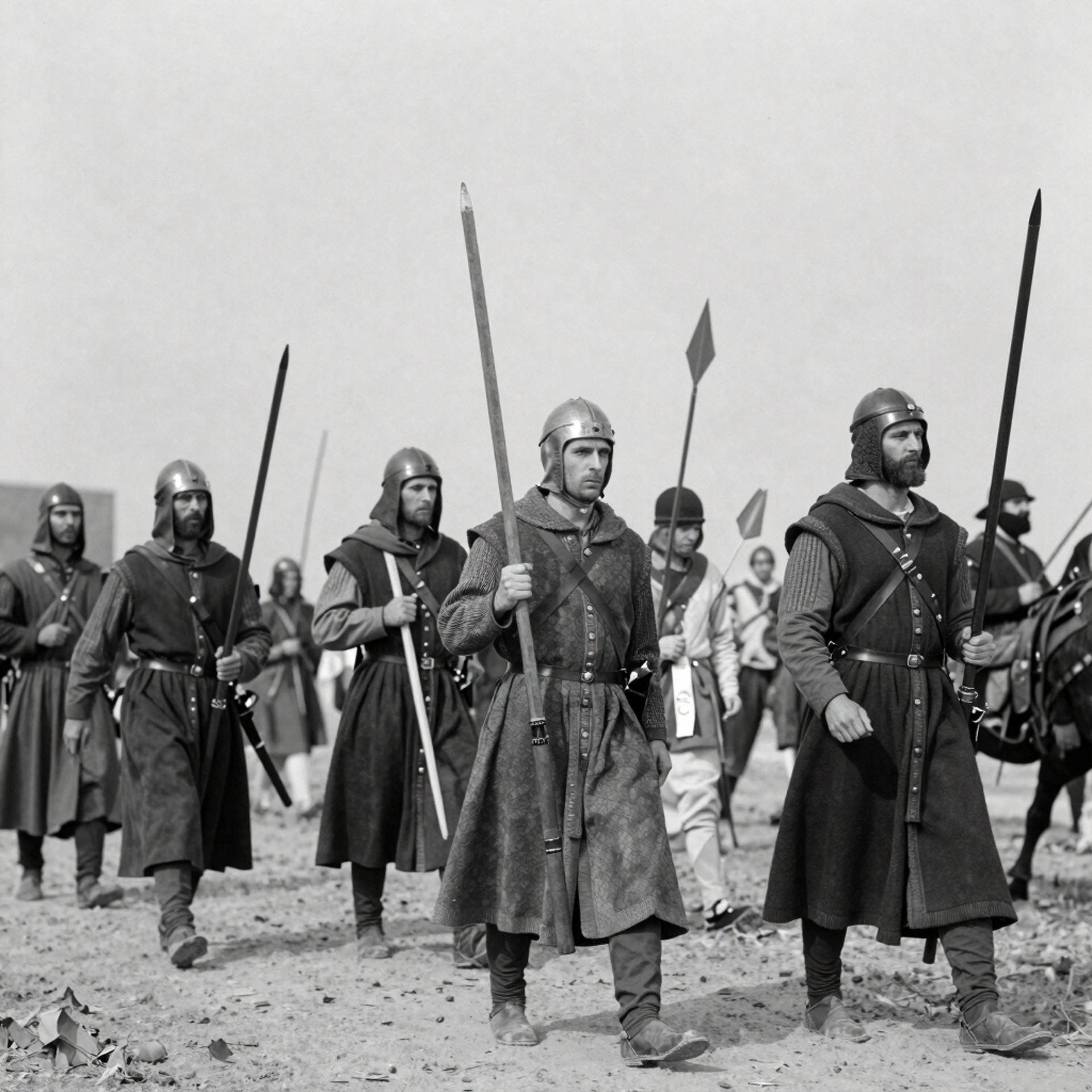
The Crusades were a series of religiously motivated military campaigns that occurred between the late 11th and late 13th centuries. Initiated in 1095 by Pope Urban II, the First Crusade aimed to reclaim Jerusalem and other holy sites in the Near East from Muslim rule. This event marked the beginning of a complex series of conflicts known collectively as the Crusades, which were deeply entwined with the expansion of Christian influence and the politics of Europe during the Middle Ages.
The context for the Crusades can be traced back to the growing tensions between Christians and Muslims after the Islamic conquests altered the region's religious landscape. The call for a crusade was not merely a spontaneous act; it was a calculated response to both religious fervor and the political ambitions of various European monarchs. As the Crusades unfolded, different phases emerged, each characterized by shifts in motivations and objectives. The First Crusade resulted in the successful capture of Jerusalem in 1099, igniting further campaigns but also establishing a volatile presence that provoked ongoing conflict.
The secular and religious dimensions of the Crusades often intertwined. While many participants were driven by genuine piety and the promise of spiritual rewards, others sought wealth, land, and power. The Papacy played an instrumental role in legitimizing these campaigns by framing them as holy wars, instilling a sense of divine purpose among the Crusaders. Subsequent Crusades, such as the Second and Third, highlighted both the initial successes and the eventual challenges faced by the Christian forces, underscoring the broader implications of these military endeavors for the regions involved and for the development of Christian-Muslim relations over the centuries.
Competing Narratives: Religious Conflict vs. Proto-Imperialism
The Crusades, which unfolded between the 11th and 13th centuries, have long been interpreted through two primary lenses: as a fervent religious conflict aimed at reclaiming the Holy Land for Christianity, and as a manifestation of proto-imperialism reflecting the colonial aspirations of European powers. Central to the narrative of religious conflict is the belief that the Crusades were driven by a genuine desire among Christians to recover sacred sites in Jerusalem, motivated by piety and a sense of divine mission. The Pope's call to arms, coupled with the promise of spiritual rewards, galvanized many individuals across Europe to join the ranks of the Crusaders, thereby imbuing the motivations for these military campaigns with religious fervor.
Conversely, the perspective of proto-imperialism holds that the Crusades were less about spiritual devotion than about territorial expansion and economic gain. According to this view, the Crusades reflected the ambitions of emerging European powers eager to solidify their influence in the Mediterranean and gain access to lucrative trade routes. The marketing of these military expeditions under a religious guise provided justifiable cover for these colonial endeavors, allowing nations to expand their territories while also capturing the allegiance of their populace through appeals to faith.
Historians have engaged in a robust debate over these two interpretations. Proponents of the religious conflict narrative often emphasize the zeal and commitment of the Crusaders, highlighting documented instances of martyrdom and sacrifice in defense of their faith. In contrast, advocates of the proto-imperialism argument highlight the political and economic frameworks that underpinned the Crusades, showing how these campaigns served as vehicles for establishing European dominance and control over foreign lands. This ongoing ideological battle seeks to define not only the nature of the Crusades but also their profound legacy, influencing how they are understood within both historical and contemporary contexts.
Economic Motivations and Opportunism in the Crusades
The Crusades, often characterized primarily by their religious underpinnings, were also significantly influenced by economic motivations and opportunism. The desire for wealth, land, and trade routes played a crucial role in shaping the actions and decisions of various participants in these military campaigns. Notably, the knights who embarked on these journeys did not solely seek spiritual redemption; rather, many of them were propelled by the promise of land and wealth that could be acquired through conquest.
In addition, the urban merchants who supported the Crusades contributed to this economic framework. Their involvement was often motivated by the ambition to secure new trading opportunities in the East. Control of key trade routes was vital for the economic viability of many European regions. Thus, the Crusades can also be viewed as a means of establishing commercial dominance in Mediterranean and Middle Eastern markets.
The allure of riches impacted not just individual knights but entire kingdoms. Kings and nobles recognized the potential financial benefits of successful campaigns in the Holy Land, leading to increased participation in the Crusades. They aimed to expand their territories and enhance their power through new conquests. Additionally, the promise of plunder from wealthy cities served as a powerful incentive, often overshadowing the ostensibly noble religious motivations.
Furthermore, the financial aspect of the Crusades extended to the Church as well. As the Crusades progressed, the Church capitalized on the movement by soliciting funds from the faithful, promoting the idea that financial contributions were acts of virtue. This intertwining of economic gain with religious fervor highlights the complex motivations behind the Crusades. Ultimately, the pursuit of wealth and resources was a significant driving factor that intertwined with the spiritual aspirations of those involved, revealing the multifaceted nature of this historical period.
The Legacy of the Crusades in Modern Politics and Culture
The Crusades, while a historical phenomenon of the Middle Ages, cast long shadows over contemporary politics and culture. Their narratives have been strategically appropriated by various political groups, often for purposes that align with their specific ideological positions. This utilization of Crusade imagery is particularly evident in the rhetoric surrounding conflicts in the Middle East, where terms such as 'jihad' and 'crusade' evoke deep-seated emotions and historical grievances.
In modern political discourse, some actors have leveraged the narrative of the Crusades to frame current geopolitical struggles as a continuation of a religious war. This interpretation tends to blur the lines between historical fact and contemporary context, leading to potential misunderstandings that can exacerbate tensions. For instance, references to a 'new crusade' can polarize communities, fostering an environment in which dialogue is sidelined in favor of confrontation.
Culturally, the Crusades have been deeply ingrained in literature, film, and media, often depicted as epic battles of good versus evil. Such portrayals can romanticize violence and simplify complex historical dynamics, contributing to a somewhat distorted understanding of the principles that birthed the original Crusades. These depictions can reinforce stereotypes and biases, shaping public perception and influencing intercultural relations and political alignment.
The implications of appropriating such historical narratives are far-reaching and consequential. While some may find empowerment in evoking the legacy of the Crusades, the politicization of these events often disregards their multifaceted history. As societies grapple with the legacies of the past, it is crucial to approach the narratives with critical thought, aware of their potential to influence modern conflicts and cultural understandings.